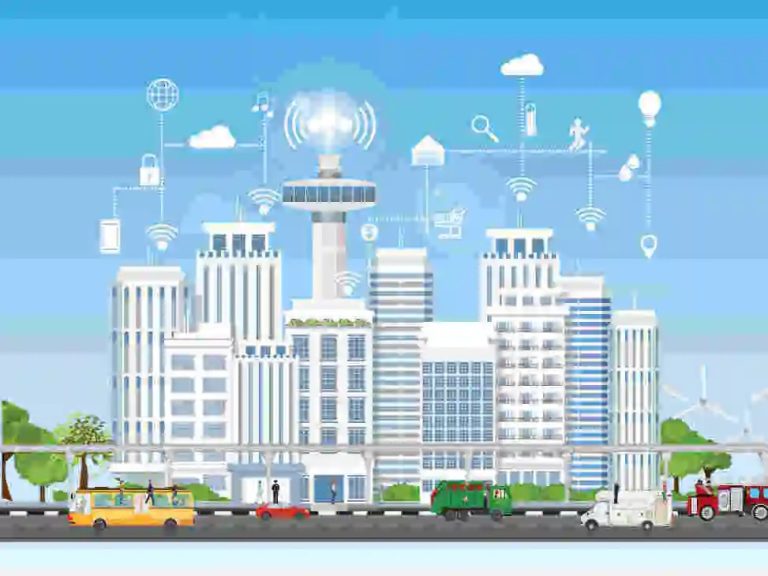
The Smart City Project in India is an initiative launched by the Prime Minister of India in June 2015. This mission envisions the development of the areas within selected cities in the country. It is a revolutionary step towards urban transformation that focuses on improving the quality of life for the citizens of India.
This blog will acquaint you with the list of cities under the Smart Cities Mission. Additionally, we will explain the features and objectives of the smart city mission, along with its current status.
Key Highlights of the Smart Cities Mission in India
No. of Cities | 100 Cities |
|---|---|
Total Projects | 8,062 Projects |
Launched By | Government of India |
Managed By | Union Ministry of Urban Development |
Completion Deadline | 31st March 2025 |
Total Cost of Projects | Rs. 1,64,545 Crore |
Suggested read: Smart Cities in India
List of Cities Under the Smart City Mission in India
Initially, 98 cities were nominated for the Smart City Yojana. At present, there are about 100 cities that have been selected under this mission, which are listed below:
S.No. | Name of the State/UT | No. of Cities | Cities Selected |
|---|---|---|---|
1 | Andaman & Nicobar Islands | 1 | Port Blair |
2 | Andhra Pradesh | 4 | Vishakhapatnam, Tirupati, Kakinada, Amaravati |
3 | Arunachal Pradesh | 1 | Pasighat |
4 | Assam | 1 | Guwahati |
5 | Bihar | 4 | Muzaffarpur, Bhagalpur, Biharsharif, Patna |
6 | Chandigarh | 1 | Chandigarh |
7 | Chattisgarh | 3 | Raipur, Naya Raipur, Bilaspur |
8 | Daman & Diu | 1 | Diu |
9 | Dadra & Nagar Haveli | 1 | Silvassa |
10 | Delhi | 1 | New Delhi Municipal Council |
11 | Goa | 1 | Panaji |
12 | Gujarat | 6 | Gandhinagar, Ahmedabad, Surat, Vadodara, Rajkot, Dahod |
13 | Haryana | 2 | Karnal, Faridabad |
14 | Himachal Pradesh | 2 | Dharamshala, Shimla |
15 | Jammu & Kashmir | 2 | Srinagar, Jammu |
16 | Jharkhand | 1 | Ranchi |
17 | Karnataka | 7 | Mangaluru, Belagavi, Shivamogga, Hubballi-Dharwad, Tumakuru, Davanagere, Bengaluru |
18 | Kerala | 2 | Kochi, Trivandrum |
19 | Lakshadweep | 1 | Kavaratti |
20 | Madhya Pradesh | 7 | Bhopal, Indore, Jabalpur, Gwalior, Sagar, Satna, Ujjain |
21 | Maharashtra | 10 | Navi Mumbai, Nashik, Thane, Greater Mumbai, Amravati, Solapur, Nagpur, Kalyan-Dombivli, Aurangabad, Pune |
22 | Manipur | 1 | Imphal |
23 | Meghalaya | 1 | Shillong |
24 | Mizoram | 1 | Aizawl |
25 | Nagaland | 1 | Kohima |
26 | Odisha | 2 | Bhubaneshwar, Rourkela |
27 | Puducherry | 2 | Oulgaret, Puducherry |
28 | Punjab | 3 | Ludhiana, Jalandhar, Amritsar |
29 | Rajasthan | 4 | Jaipur, Udaipur, Kota, Ajmer |
30 | Sikkim | 2 | Namchi, Gangtok |
31 | Tamil Nadu | 12 | Tiruchirapalli, Tirunelveli, Dindigul, Thanjavur, Tiruppur, Salem, Vellore, Coimbatore, Madurai, Erode, Thoothukudi, Chennai |
32 | Telangana | 3 | Greater Hyderabad, Greater Warangal, Karimnagar |
33 | Tripura | 1 | Agartala |
34 | Uttar Pradesh | 13 | Moradabad, Aligarh, Saharanpur, Bareilly, Jhansi, Kanpur, Allahabad (Prayagraj), Lucknow, Varanasi, Ghaziabad, Agra, Rampur, Meerut |
35 | Uttarakhand | 1 | Dehradun |
36 | West Bengal | 4 | New Town Kolkata, Bidhannagar, Durgapur, Haldia |
Main Objective of the Smart City Mission in India
The Smart Cities Mission is all about making our cities better places to live—cleaner, greener, and more efficient. The goal is to enhance daily life by ensuring reliable water and electricity supply, improved public transport, smart waste management, and seamless digital connectivity. It’s not just about high-tech solutions; it’s also about creating inclusive, safe, and vibrant spaces where people from all backgrounds can thrive. By using technology, sustainable planning, and citizen participation, the mission aims to transform urban areas into livable, future-ready cities that set an example for others to follow.
Features of the Smart City Project in India
Let us now understand the features of the Smart City Yojana in India:
- Mixed Land Use: Optimizing space for diverse and compatible activities.
- Inclusive Housing: Expanding affordable housing options.
- Walkable Localities: Reducing congestion and pollution while boosting local economies.
- Green & Open Spaces: Parks, playgrounds, and eco-friendly zones that enhance well-being.
- Smart Transport Solutions: Transit-Oriented Development (TOD) and last-mile connectivity.
- Citizen-Centric Governance: Digital services for transparency and ease of access.
- City Identity & Branding: Promoting local culture, industry, and heritage.
- Smart Solutions: Disaster resilience, resource efficiency, and cost-effective urban services.
Current Status of the Smart Cities Mission in India
The table below will update you with the current status of the Smart City Mission in India:
Selected Cities | 100 Cities |
|---|---|
Total Projects | 8,062 Projects |
Projects Completed | 7,502 Projects (93%) |
Projects Remaining | 560 Projects (7% of the total projects) |
Total Funds | Rs. 1,64,545 Crores |
Funds Used for Completed Projects | Rs. 1,50,285 Crores |
Challenges for the Smart Cities Mission in India
- Cities drive economic growth, contributing 63% of India’s GDP with just 31% of the population (Census 2011). By 2030, urban areas will house 40% of the population and generate 75% of GDP, requiring holistic infrastructure development.
- The Smart Cities Mission promotes integrated growth by strengthening physical, social, institutional, and economic infrastructure to improve quality of life and attract investment.
- The mission introduced a ‘Challenge’ method for city selection, fostering competitive and cooperative federalism. States and Urban Local Bodies (ULBs) play a pivotal role, requiring strong leadership and decisive action.
- Unlike conventional DPR-driven approaches, Smart Cities require a strategic and resource-intensive planning phase that demands significant investments of time and expertise before execution.
- Public participation is key—smart cities need smart people who engage in governance, reforms, and sustainable urban development. Increased use of ICT and mobile-based tools will enhance citizen involvement and transparency.
Takeaway
The Smart Cities Mission in India isn’t just a list of names—it’s a blueprint for India’s urban future. These 110 cities symbolize innovation, resilience, and sustainability, reshaping how we live and interact. Each city under this mission is evolving with smarter infrastructure and citizen-centric technology. With ongoing developments, India’s urban future looks smarter and more connected.


