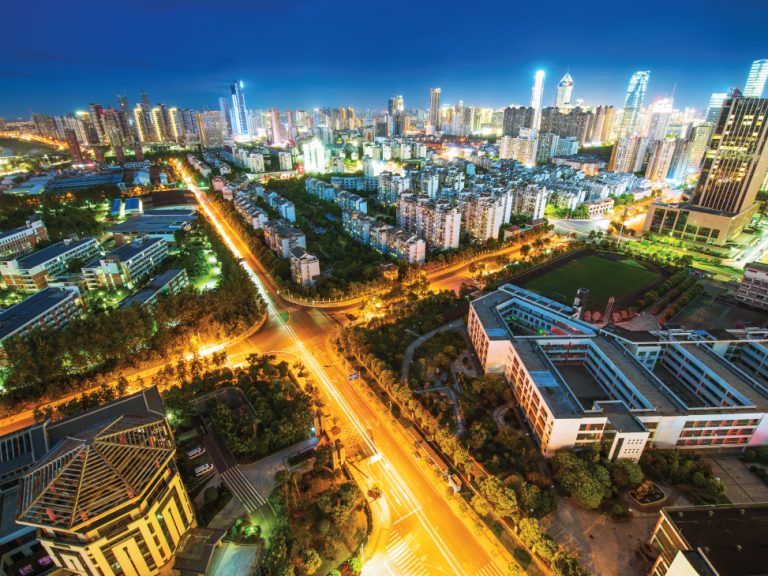
India’s urban landscape is undergoing a remarkable transformation, with several cities embracing technological advancements and sustainable practices to enhance the quality of life for their residents. As we approach 2025-26, certain cities stand out as exemplary models of this evolution. Here’s a comprehensive look at the top 12 smart cities in India that are setting benchmarks for urban living.
Top 12 Smart Cities in India
1. Indore, Madhya Pradesh
Indore consistently ranks high in cleanliness and waste management. The city focuses on sustainable retrofitting, smart classrooms, and improved healthcare facilities, making it a desirable place to live. The presence of premier institutions like IIT and IIM contributes to its rapid urbanization and attractiveness for investment.
2. Ahmedabad, Gujarat
Ahmedabad harmoniously combines historical significance with contemporary development. Recognized by UNESCO for its heritage, the city emphasizes tourism, safety, and efficient urban management, making it a leading smart city in India.
3. Bhubaneswar, Odisha
Bhubaneswar seamlessly blends its rich cultural heritage with modern infrastructure. The city has implemented intelligent traffic management systems and developed functional parks, fostering a family-friendly environment. Initiatives like the Intelligent City Operations and Management Centre (ICOMC) further enhance urban management through technology.
Suggested read: Affordable Localities in Chennai
4. Coimbatore, Tamil Nadu
Coimbatore excels in energy conservation and water management. The city’s focus on sustainable practices, coupled with its status as a textile and IT hub, positions it among the top smart cities in India.
5. Kochi, Kerala
Kochi integrates heritage with modernity, emphasizing sustainable living around its SEZs. Projects like canal restoration, waste management, and smart surveillance systems contribute to its status as a leading smart city.
6. Hyderabad, Telangana
Hyderabad’s historical charm is complemented by its growth as an IT powerhouse. The city’s infrastructure planning, affordable land, and redevelopment projects in education, healthcare, and transportation make it a prominent smart city.
7. Pune, Maharashtra
Known for its educational institutions and thriving IT sector, Pune has embraced smart city initiatives such as smart buses, a planned metro rail system, and improved road infrastructure. The city’s focus on sustainable mobility and digital transformation enhances its appeal as a modern urban hub.
Suggested read: Affordable Housing Localities in Noida
8. Surat, Gujarat
Surat focuses on sustainable urban development with intelligent traffic management, waste management, and e-governance, creating a more efficient and livable environment for its residents.
9. Lucknow, Uttar Pradesh
Lucknow is making strides in smart city development with projects aimed at improving infrastructure, traffic management, and public services, enhancing the quality of life for its citizens.
10. Jaipur, Rajasthan
The Pink City blends heritage with innovation through smart city initiatives like intelligent traffic management, smart water utilization, and the creation of green spaces, underscoring its commitment to sustainable development.
11. Amritsar
Amritsar, the city of the Golden Temple, is now a smart city balancing tradition with modernization. Projects like wastewater treatment plants, enhanced public transport systems, and the beautification of the walled city area have revitalized Amritsar’s urban infrastructure. Smart surveillance and e-governance ensure safety and efficient service delivery, attracting both tourists and residents.
Suggested read: Affordable Housing in Delhi
12. Bhopal
Bhopal is a leader in integrating sustainability with technology. The city’s Integrated Command and Control Center (ICCC) monitors traffic, utilities, and safety measures in real-time. Initiatives like affordable housing projects, smart roads, and water conservation have positioned Bhopal as a smart city that prioritizes both environmental sustainability and citizen welfare.
These cities exemplify the dynamic progress of urban development in India, setting new standards for smart living and sustainable growth.
Note: The information provided is based on available data as of June 2025.
Key Attributes of Smart Cities in India
India’s vision for smart cities combines cutting-edge technology, sustainability, and citizen-centric governance to enhance urban living. These cities are designed to offer modern infrastructure, seamless services, and a superior quality of life while addressing challenges like congestion, pollution, and resource management. Here are five consolidated key attributes of smart cities in India:
1. Technologically Integrated Infrastructure
At the heart of every smart city lies robust digital infrastructure. Integrated Command and Control Centers (ICCCs) manage urban operations in real time, ensuring efficient governance and improved service delivery. Public Wi-Fi zones and e-governance platforms allow citizens to access services and resolve grievances easily. Smart solutions like IoT-enabled lighting, traffic management systems, and surveillance ensure public spaces are safe, energy-efficient, and responsive to the city’s dynamic needs.
2. Sustainable and Inclusive Urban Development
Smart cities prioritize environmental sustainability and social inclusivity. Green building practices, the adoption of renewable energy sources such as solar and wind, and advanced waste management systems are integral to reducing environmental impact. Water conservation initiatives like rainwater harvesting, smart water meters, and wastewater recycling help manage resources sustainably. Affordable housing projects and redevelopment of older areas ensure inclusivity, providing access to modern infrastructure for all sections of society, including the economically weaker sections and differently-abled individuals.
3. Intelligent Mobility and Transportation
Efficient transportation systems are a cornerstone of smart cities. Public transport, such as metro systems and electric buses, are integrated with app-based ride-sharing platforms to improve connectivity. Smart traffic management powered by AI and IoT reduces congestion, while dedicated bicycle lanes and pedestrian-friendly pathways promote sustainable and non-motorized travel. These initiatives not only improve mobility but also contribute to reducing the city’s carbon footprint.
4. Citizen Engagement and Economic Empowerment
Smart cities actively involve residents in urban planning and decision-making through digital platforms for feedback and issue resolution. Citizen participation ensures that development aligns with the needs of the people. These cities also foster economic growth by creating IT hubs, startup incubators, and skill development programs, enabling residents to thrive in the knowledge economy. Additionally, efforts to preserve heritage sites and promote tourism contribute to economic diversity while enhancing the city’s cultural identity.
5. Resilient Urban Planning and Environmental Management
Smart cities focus on resilient and future-proof urban planning to accommodate growth while preserving natural resources. Mixed land use—combining residential, commercial, and industrial zones—creates more efficient urban layouts. Green spaces like parks, urban forests, and lake restoration projects are prioritized for environmental sustainability and recreation. Advanced air quality monitoring systems and disaster management frameworks ensure cities remain prepared for environmental and climatic challenges, offering a safe and sustainable living environment for residents.


