Last Updated on 5th August 2026
Getting home loan is very BASIC now
Get a loan in under 5 mins

Last Updated on 5th August 2026
While looking for a mortgage loan or a property-based loan, it’s normal to ask how one can obtain the lowest possible interest rate and maximize the benefit. The reality is that the mortgage loan is not a single product. Different types of mortgage loans exist in order to meet different requirements. Some suit someone buying a ready flat, others suit someone constructing a house from scratch. In case of mismatch, you might have to pay more than required or face EMI issues, which do not suit your monthly earnings.
This post discusses the different mortgage loans available in the market and will help you understand the process of selecting a suitable mortgage loan.
A mortgage loan allows you to borrow money by using a property as security. It may be used to finance a home purchase, construction, renovation, or to access funds based on the value of a property you already own. In this case, the property is used as security by the lending party. If you default on the repayment of the loan, the lending party has a legal right to sell the property and recover the money. The duration is normally between 10 and 30 years. Simple enough on paper, but the tricky part is choosing which variant of this loan actually fits your life.
Each mortgage loan does not serve the same purpose. Below is a description of their classification:
Each of these solves a different problem. Picking based on your actual need, not just the lowest advertised rate, matters more than people think.
Beyond purpose, mortgage loans also differ in how the transaction itself is structured legally. This part gets a bit technical, but it’s worth knowing.
Knowing these categories helps you understand what you’re actually agreeing to, not just what the EMI looks like.
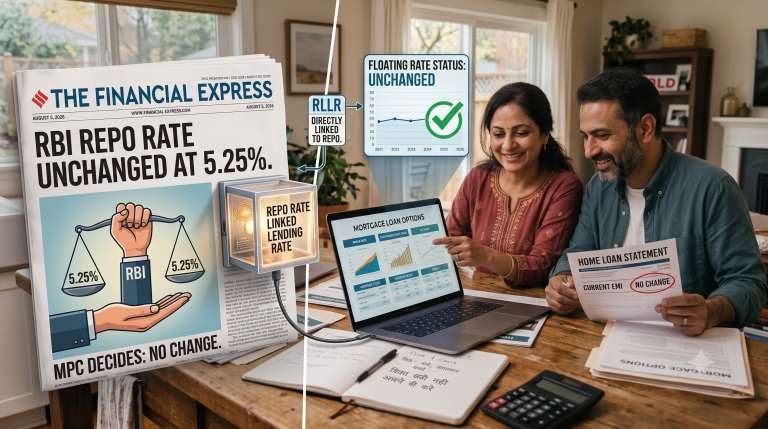
Beyond purpose, mortgage loans also differ in how interest is charged.
There’s no universally better option here. It genuinely depends on how much certainty you want and how comfortable you are with some risk.
A few things really drive this decision, more than anything else. Income stability plays a big role. If your income is steady and predictable, a floating rate might work fine, since short-term rate changes won’t derail your budget. If it’s variable, a fixed rate offers more peace of mind.
Purpose matters too. Buying, building, or renovating each points toward a different loan category, as covered above. Then there’s your risk appetite. Some people lose sleep over rate fluctuations, while others don’t mind them if it means saving money over time. You have to be honest with yourself here.
If you’re still asking, “what type of mortgage loan is best for me,” take a close look at your financial situation, long-term goals, and comfort level with changing interest rates. Credit score and existing debt affect what you’ll even qualify for, and at what rate. A stronger score generally opens up better terms across every loan type. Loan tenure preference matters as well. Shorter tenures mean higher EMIs but lower total interest. Longer ones ease monthly pressure but cost more overall.
Once you’ve figured out different types of mortgage loan, and the one that fits your situation, the next step is finding the right lender and rate for it. That’s where BASIC Home Loan comes in, helping you compare offers across lenders so you don’t have to visit five different banks or sift through confusing fine print. We offer guidance at this stage that can save both money and time later.
So if you’re exploring home loans for buying your first home, upgrading to a larger property, constructing a house, or refinancing an existing loan, we’re here to make the process simpler.
What type of mortgage loan is best for me?
It depends on your purpose, income stability, and risk comfort. Buying a home usually calls for a home purchase loan, while building one needs a construction loan.
Is a fixed or floating rate better?
Neither is universally better. Fixed rates suit people who want predictable EMIs, while floating rates can save money if market rates fall.
Can I switch my mortgage loan later?
Yes, through a balance transfer, you can move your loan to another lender, usually for a lower interest rate or better loan terms.
Does a longer tenure always cost more?
Yes, a longer tenure generally means more total interest paid, even though your monthly EMI stays lower.
What matters more, interest rate or processing fees?
Both matter. A slightly lower interest rate with high processing fees can end up costing more than a marginally higher rate with lower charges.
Get a loan in under 5 mins