Last Updated on 9th June 2026
Getting home loan is very BASIC now
Get a loan in under 5 mins

Last Updated on 9th June 2026
Paying off a Home Loan consistently for years can sometimes put pressure on the monthly budget, especially when other expenses begin to rise. Many borrowers believe that prepaying a large amount is the only way to reduce their EMI burden, but that is not always the case. If you are wondering how to reduce Home Loan EMI, many options are available without putting a dent in your savings. Small changes in loan terms, interest rates, or repayment structure can often make monthly repayments easier to manage.
For those who want to reduce their Home Loan EMIs, here are some steps you can follow:
One of the simplest ways to reduce your EMI is by requesting your lender to revise your interest rate. If market rates have reduced since you took the loan, your existing rate may now be higher than what new borrowers are getting.
Banks and financial institutions sometimes allow existing customers to switch to a lower interest-rate plan after paying a small conversion fee. Even a slight reduction in the interest rate can lower your monthly EMI. For example, if your loan interest rate drops from 9.5% to 8.75%, your EMI may reduce significantly over the remaining tenure.
A Home Loan balance transfer can help if another lender is offering lower interest rates or better repayment terms. When you transfer your outstanding loan to a different lender, the new lender closes your old loan and offers a fresh loan at revised terms. This often helps borrowers reduce their EMI burden. However, before transferring your loan, always compare interest rates, processing fees, legal charges, remaining tenure, and overall savings. A balance transfer makes more sense when a substantial loan amount and tenure are still left.
Another effective way to reduce your EMI without prepayment is by extending the remaining loan tenure. When the repayment period increases, the outstanding amount gets distributed across more months, which lowers the monthly EMI.
For example, a ₹40 lakh loan for 15 years will have a higher EMI, and the same outstanding amount spread across 20 years will reduce the monthly EMI. This improves short-term affordability, but a longer tenure may increase the total interest paid over time.
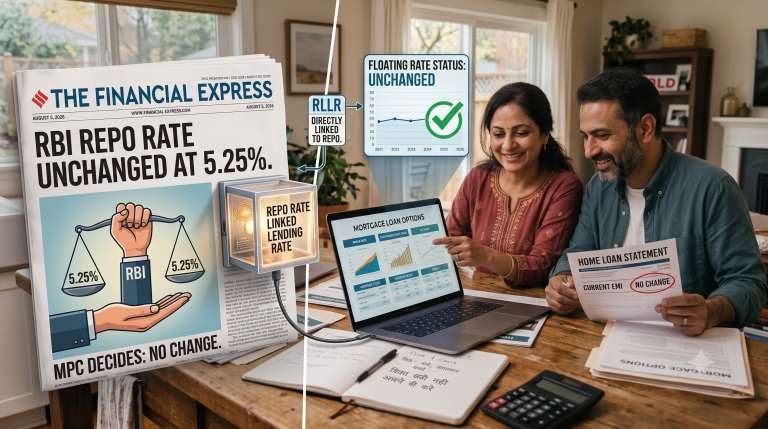
Some borrowers take home loans at fixed interest rates during high-rate periods. If market interest rates reduce later, these borrowers may not benefit. In such situations, switching to a floating interest rate can help reduce EMIs when interest rates decrease. Floating rates usually move according to market benchmarks, which means your EMI may decrease if lending rates fall. Therefore, before switching, one must check:
You may not be ready to close the entire loan, but even occasional part-payments can help reduce your EMI burden. Many lenders allow borrowers to make partial prepayments using bonuses, incentives, or savings. This reduces the principal outstanding amount, which can either reduce the EMI or the loan tenure.
A stronger credit score can improve your chances of getting a lower interest rate from your lender. If your repayment history has been good and your income profile has improved since taking the loan, lenders may consider revising your loan terms. You can strengthen your profile by:
Loan restructuring depends on lender policies and borrower eligibility, but it can help reduce immediate EMI pressure during difficult periods. This may include:
Before choosing any EMI reduction option, one must evaluate the long-term impact carefully by checking:
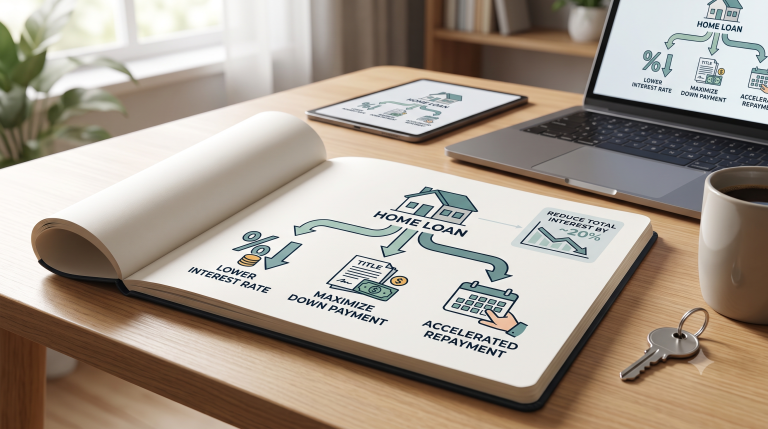
Understanding how to reduce Home Loan EMI can help borrowers manage their finances comfortably without making a full loan prepayment. Options like balance transfer, tenure extension, or interest rate revision can make a noticeable difference over time. At BASIC Home Loan, borrowers can explore suitable lending options and repayment solutions based on their financial requirements.
Get a loan in under 5 mins