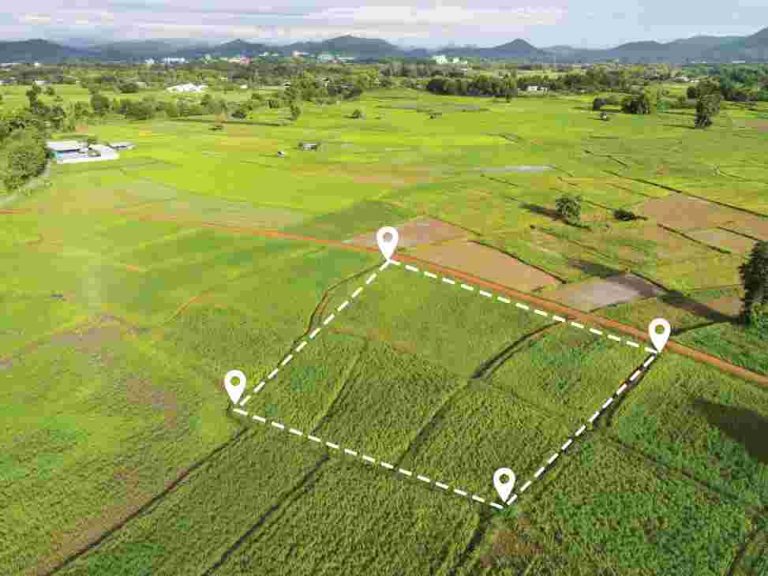
If you’re planning to buy a piece of land in Bihar, it really helps to understand a few basic terms that show up in almost every land-related document. Whether you’re trying to figure out खाता खेसरा कैसे निकाले, checking a land record in Bihar, बिहार भूमि खाता खेसरा, or browsing details on Bhumi Jankari for any state, you’ll repeatedly see three words: Khata, Khasra, and Khatuni Number.
These terms aren’t just official jargon- they tell you who owns the land, where it’s located, and how it’s recorded in government files. A little clarity on these can save you from misunderstandings and help you make decisions with confidence.
In this blog, we break down Khata, Khasra Number, and Khatuni Number in simple terms, explain how they differ, and show why they matter when you’re verifying any land record in Bihar.
Difference Between Khata, Khasra, and Khatauni Number
If you’ve ever tried to खेसरा संख्या से देखें online, you already know how important it is to understand the difference between these three land documents. The table below makes it easy to see how Khata, Khasra, and Khatauni numbers differ and what each one is used for:
Feature | Khata Number | Khasra Number | Khatauni Number |
|---|---|---|---|
Commonly Known As | Khata/ Khewat | Survey No./ Khata Khesra | Khetawni/ Khatauni |
Issued By | Revenue Department | Revenue Department | Land Records Office |
Issued To | A person or a group of landowners | A particular piece of land | Cultivators or tenants |
Purpose | Helps identify the owner of various plots | Helps identify a particular piece of land | Helps maintain a record of tenants and cultivators of a piece of land |
Usage | To check land ownership history and land taxation | To mark a plot and verify the ownership details | To help in land management and check tenancy details |
What are the Details Found in the Khata Document?
If you’re trying to understand khata khasra kaise dekhen, it helps to know what information the Khata document actually contains. The Khata number or document provides the following details:
Details of a group of plots represented by a family or the same person
Lists of all the plots under the same owner’s name within a village
Details about the land revenue, tax payments, and any pending dues
Suggested read: Patta Land
What are the Details Found in the Khasra Document?
One can expect the following details in a khata khasara document:
Plot identification number
Landowner or cultivator details
Land details such as the boundaries, size, and type of land
What are the Details Found in the Khatauni Document?
Listed below are the key features of a khatauni number document:
Details of the landholder and their cultivation rights on the land
Record of all the plots under a single landholder in the village
Information about the tenants, if any
How to Check Khata, Khasra, and Khatauni?
Now that you know what khata, khasra, and khatauni numbers are, you must be curious to know how to check these. Thanks to the digitisation of land records, checking these numbers is now hassle-free and can be done online anytime, anywhere.
The table below will acquaint you with how to check the khata khasra and khatauni number:
Method | Where to Check | What You Need | Time Required |
|---|---|---|---|
Online (Recommended) | Official Bhulekh/ State Land Record Portal | District, Tehsil, Village details | Fast – Instant Access |
Offline | State Revenue Department Office | Land details + applicant information | Slow – Manual Verification |
What is Khata Number?
Let’s begin with the most common question: What is Khata Number? Also known as the Khewat Number, it’s a unique ID given to a landowner or a group of landowners. If you’ve ever searched जमीन का खाता खसरा, this is the term you’re looking for.
Simply put, the Khata number works like a landowner’s ledger. It shows who owns the land, and any change in ownership is updated through a Khata Transfer. Since this record is regularly revised, it becomes an essential document for verifying ownership, paying land revenue, and handling taxation.
What is Khasra Number?
Commonly known as “Jamin ka khata khasra”, the Khasra number comes from a Persian word that simply means survey number. It’s a unique ID given by village or urban authorities to identify a specific piece of land. In cities, people usually call it the survey number, while in rural areas it’s known as the Khata Khesra Number. Many people even search खेसरा संख्या से देखें to look up these details online.
A Khasra record is crucial because it shows the exact location, boundaries, and size of a plot. It also helps settle disputes, maintain transparency in khata khatauni records, and supports the government in land planning and taxation.
Suggested read: Khata Certificate
What is Khatauni Number?
The third common term used when dealing with land purchasing or selling is the khatauni number. Unlike the khata khesra number, a khatauni number or the Khetawni number is assigned to the cultivator of the land. It is also a unique number and provides detailed information about the cultivator of a piece of land and the area of cultivation. The revenue department maintains a record of khatauni numbers of a village in a land record register.
Khatauni number is important because it helps track the changes in ownership of a piece of land due to sale, transfer, or inheritance by giving details of the legal occupant. Hence it is a crucial document for maintaining agricultural land records. Moreover, it is required when one wants to apply for a loan or subsidy from a bank or financial institution.
The Bottom Line
Understanding the khata, khasra, and khatauni numbers is essential for anyone dealing with land ownership or transactions in India. These records serve as legal proof of ownership, eliminating the chances of land disputes. Khata helps verify ownership details, khasra helps identify plots, and khatauni helps identify cultivation records. The ongoing digitization has smoothened the process of updating these land records, thereby ensuring that everything is maintained transparently in the land record system.
Disclaimer: While these documents are essential for land ownership verification, they are not absolute proof of ownership. The legal ownership of land is established by registered sale deeds, gift deeds, or inheritance documents.


